
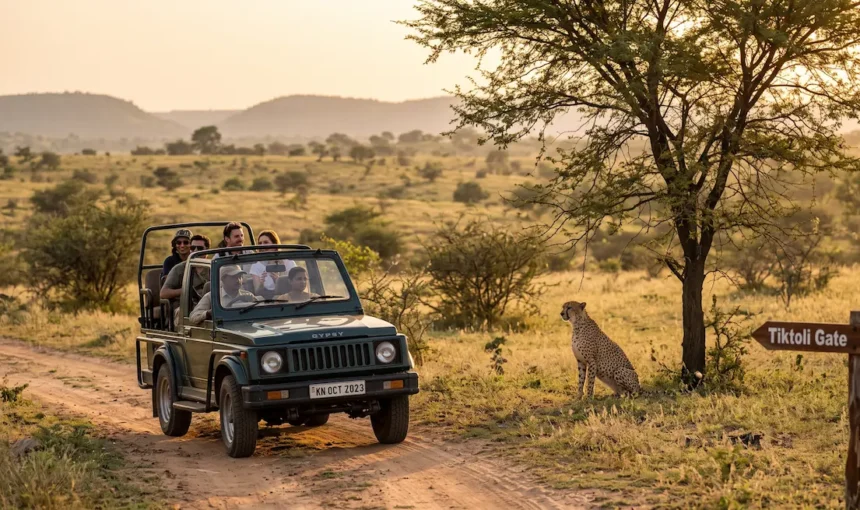
If you are planning an adventurous wildlife trip to Madhya Pradesh, this comprehensive Kuno National Park safari guide covers everything you need to know before booking your gypsy. From entry gates like Tiktoli and Ahera to safari timings and cheetah tracking tips, here is your complete roadmap.
Table of Contents
Nestled amidst the Vindhyan hills of Sheopur district in Madhya Pradesh, Kuno National Park has rapidly emerged as one of the most prominent wildlife destinations in Central India. Known globally as the primary release site for India’s Project Cheetah, Kuno offers an expansive savanna landscape, open scrub forests, and the perennial Kuno River winding through rolling grasslands.
Whether you are planning your first wilderness expedition or looking to track the wild cheetahs in open country, this comprehensive field guide covers everything you need to know before visiting.
Kuno National Park Safari Guide: Understanding the Landscape & Ecosystem
Unlike the dense Sal corridors of Kanha or the teak canopies of Pench, Kuno presents an open deciduous ecosystem dominated by Kardhai, Khair, and Salai woodlands intermingled with vast savanna plateaus.
This terrain offers exceptional line-of-sight visibility for game tracking. The park supports a thriving population of chital, sambar, nilgai, wild boar, and chinkara, along with apex predators including leopards, striped hyenas, and the reintroduced African cheetahs.
Kuno Cheetah Safari: Choosing Between the 3 Tourism Gates
Kuno operates three designated entry gates for tourists. Each gate leads into distinct zones and suits different travel itineraries:
Tiktoli Gate (Western Zone)
- Route Access: Easily accessible via Sesaipura along the Shivpuri–Sheopur State Highway, making it a convenient entry point for road travelers.
- Terrain Highlights: Covers the central river corridors, historical grassland tracts near Palpur Fort, and open savannah plains.
- Recommended For: First-time travelers and visitors staying in Sesaipura eco-resorts.
Ahera Gate (Eastern Zone)
- Route Access: Direct approach from the Pohri and Shivpuri direction.
- Terrain Highlights: Characterized by elevated scrub plateaus and wide vistas.
- Recommended For: Photographers seeking morning golden-hour landscape frames and open track drives.
Peepalbawadi Gate (Northern Zone)
- Route Access: Accessed via Morena and north-western district approaches.
- Terrain Highlights: Rugged mixed woodlands and low-density jungle trails.
- Recommended For: Nature lovers interested in birdwatching and quiet, remote jungle drives.
Safari Shifts & Operational Schedule
Safari game drives run in two daily windows—morning and late afternoon. Timings vary slightly across seasons to match sunrise and sunset:
- Winter Schedule (October to February):
- Morning Drive: 06:30 AM – 10:30 AM
- Evening Drive: 02:30 PM – 05:30 PM
- Summer Schedule (March to June):
- Morning Drive: 05:45 AM – 09:30 AM
- Evening Drive: 03:30 PM – 06:45 PM
“Before heading to Tiktoli or Ahera gate, make sure you follow this Kuno National Park safari guide to keep your permit and valid ID documents ready at the forest checkpost. For official online gypsy booking and forest department permits, you can visit the MP Forest Department Online Portal directly.”
Important Operational Note: Afternoon safari drives remain closed across all gates on Wednesdays. The core tourism zones remain closed every year from 1st July to 30th September during the monsoon season.
Best Time to Visit
Wildlife sightings, especially cheetah tracking, require patience, and this Kuno National Park safari guide recommends taking both morning and evening slots for the best photography light.
- October to November: The park turns lush green right after the monsoon, offering pleasant weather and active birdlife.
- December to February: Crisp winter mornings, cool afternoon breezes, and high predator movement across open sunlit plateaus.
- March to May: As grasses dry down, water sources shrink, making wildlife sightings around water bodies and river corridors significantly easier.
How to Reach Kuno National Park
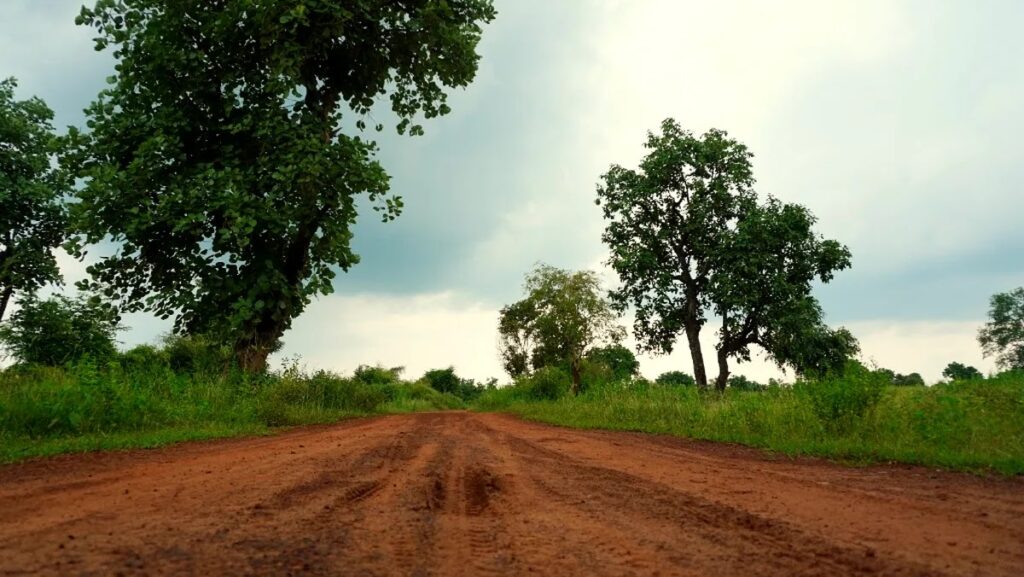
- By Air: Gwalior Airport (GWL) is the nearest airport, located approximately 160 km from Sesaipura (around 3.5 to 4 hours by road). Jaipur International Airport (JAI) is roughly 220 km away.
- By Train: Major nearby railway stations include Shivpuri (65 km) and Gwalior Junction (160 km), both well linked to Delhi, Mumbai, and Bhopal.
- Base Camp & Stays: Sesaipura serves as the primary gateway hub, housing state forest rest houses, private jungle lodges, and safari transfer desks.
Essential Safari Etiquette & Packing Checklist
- Muted Colors: Wear earth tones like khaki, olive green, brown, or beige. Avoid bright neon shades that distract wildlife.
- Layered Clothing: Winter morning drives are chilly in open gypsies; pack a fleece jacket, windbreaker, and beanie.
- Optics & Gear: A 70-300mm or 100-400mm lens is ideal for open-savanna tracking. Always carry a dust cover for cameras.
- Zero Plastic: Maintain strict silence inside the reserve and carry all personal waste back to your lodge.
Cheetah Safari Booking: Plan Your Safari Expedition
Planning ahead ensures a smooth experience in the wild. If you found this Kuno National Park safari guide helpful, save it for your next adventure to Sheopur. Completing your Cheetah Safari Booking early—along with securing your gypsy allocation and experienced local naturalists—ensures a smooth trip into Kuno’s wilderness. Securing your cheetah safari booking in advance also allows the local ground desk to coordinate preferred gate selection and lodge pickups before your arrival.
If you need local assistance with safari planning or have questions about routes, feel free to [contact us] directly.
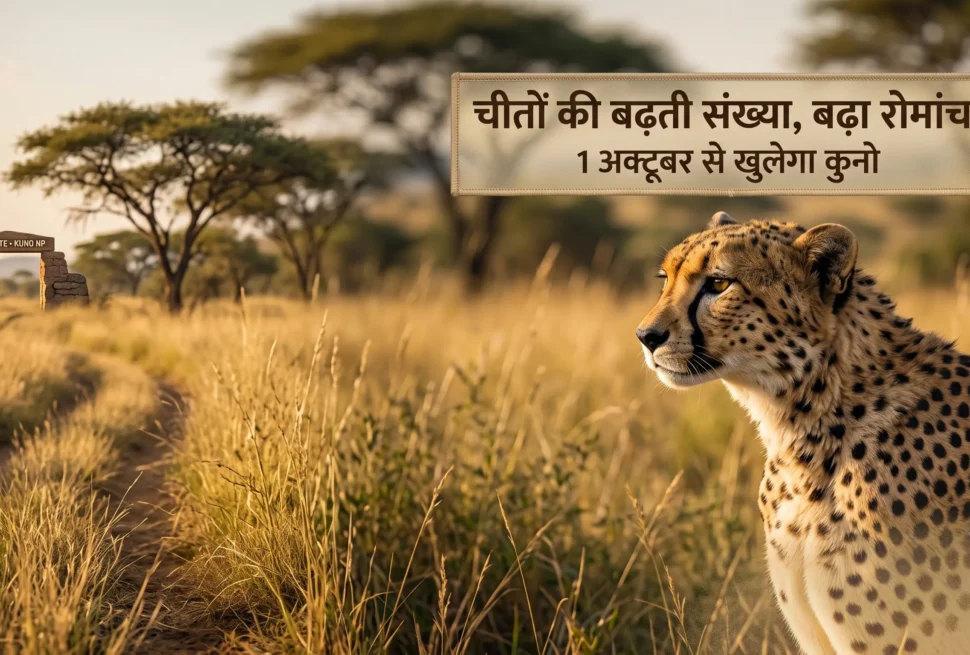
[…] terrain types, and travel distances across all three entry points, check our comprehensive Kuno National Park safari guide before finalizing your […]